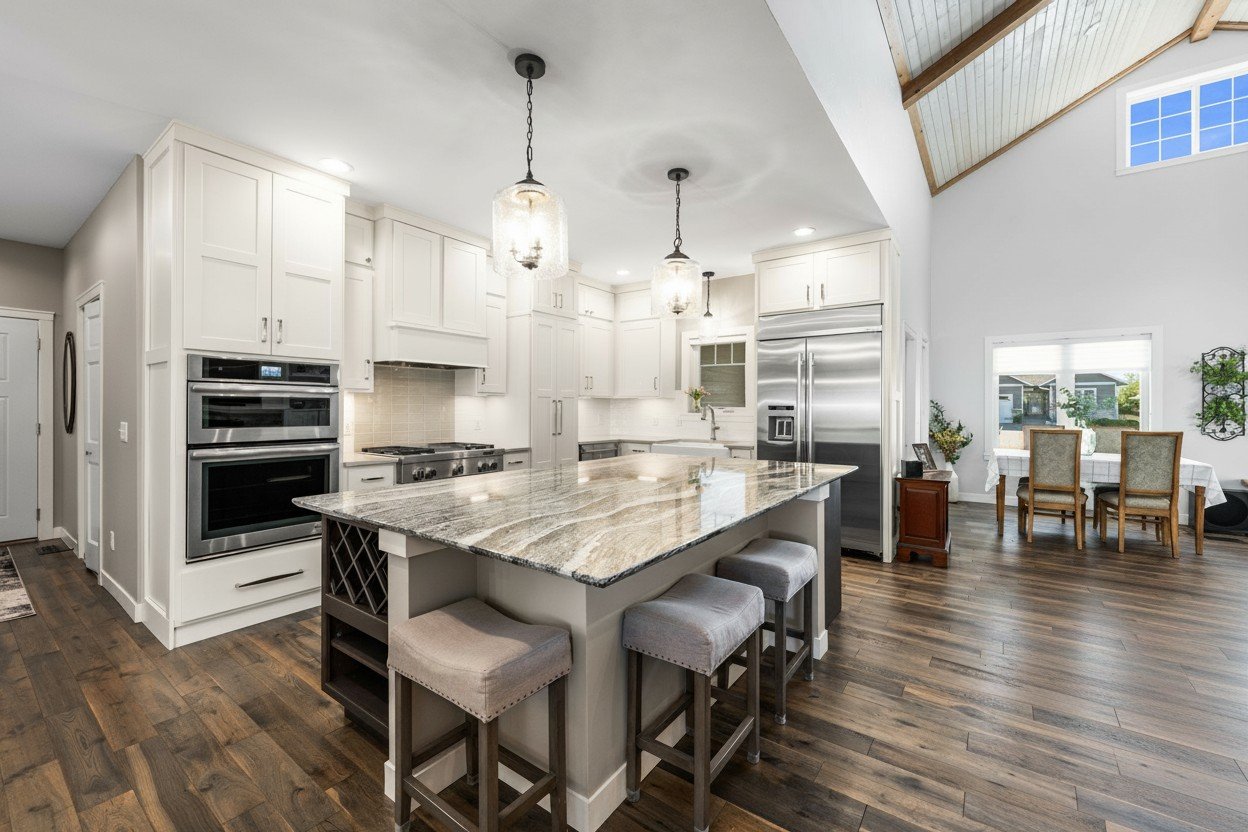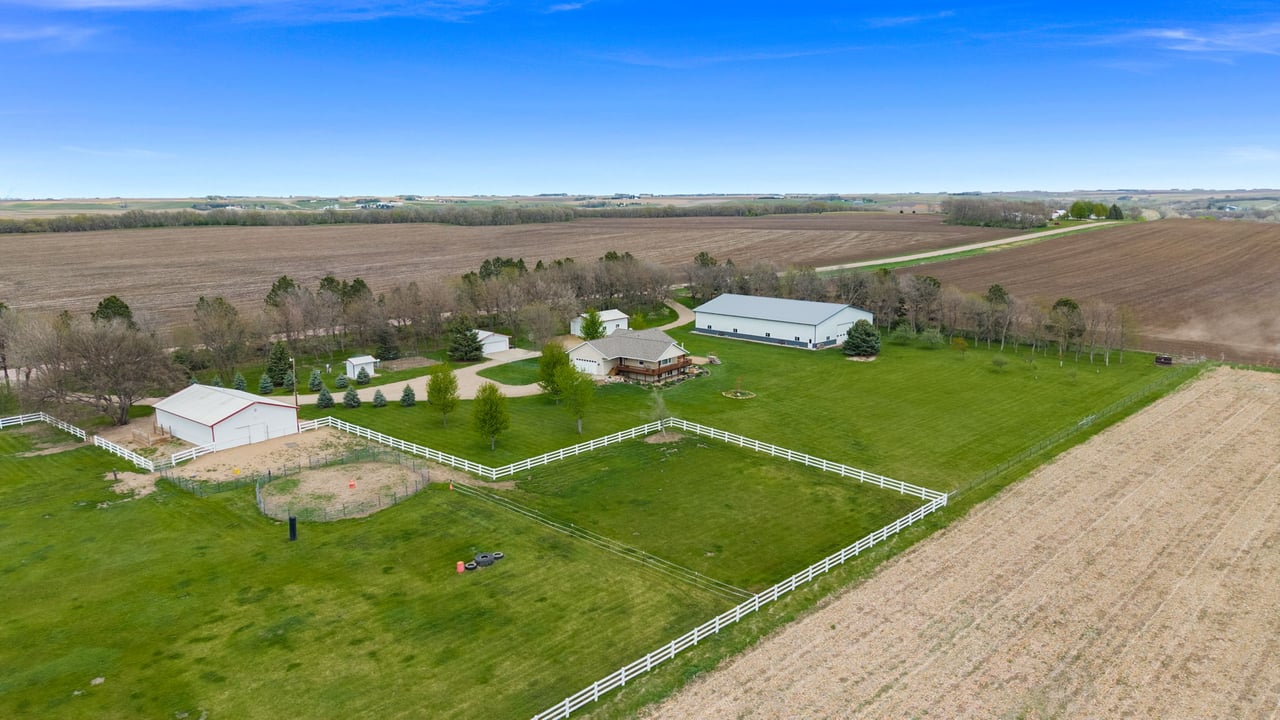
Buying an acreage is not the same as buying a home in town.
It may still have bedrooms, bathrooms, a kitchen, and a garage — but that is only one part of what you are actually purchasing.
With an acreage, you are buying the entire property.
The land.
The access.
The water source.
The septic system.
The outbuildings.
The fencing.
The easements.
The drainage.
The zoning.
And sometimes, the future potential of the property itself.
That is what makes acreage properties so appealing — but it is also what makes them more complex.
When I am helping a buyer evaluate an acreage, I am looking well beyond the house.
THE ACREAGE ITSELF MATTERS
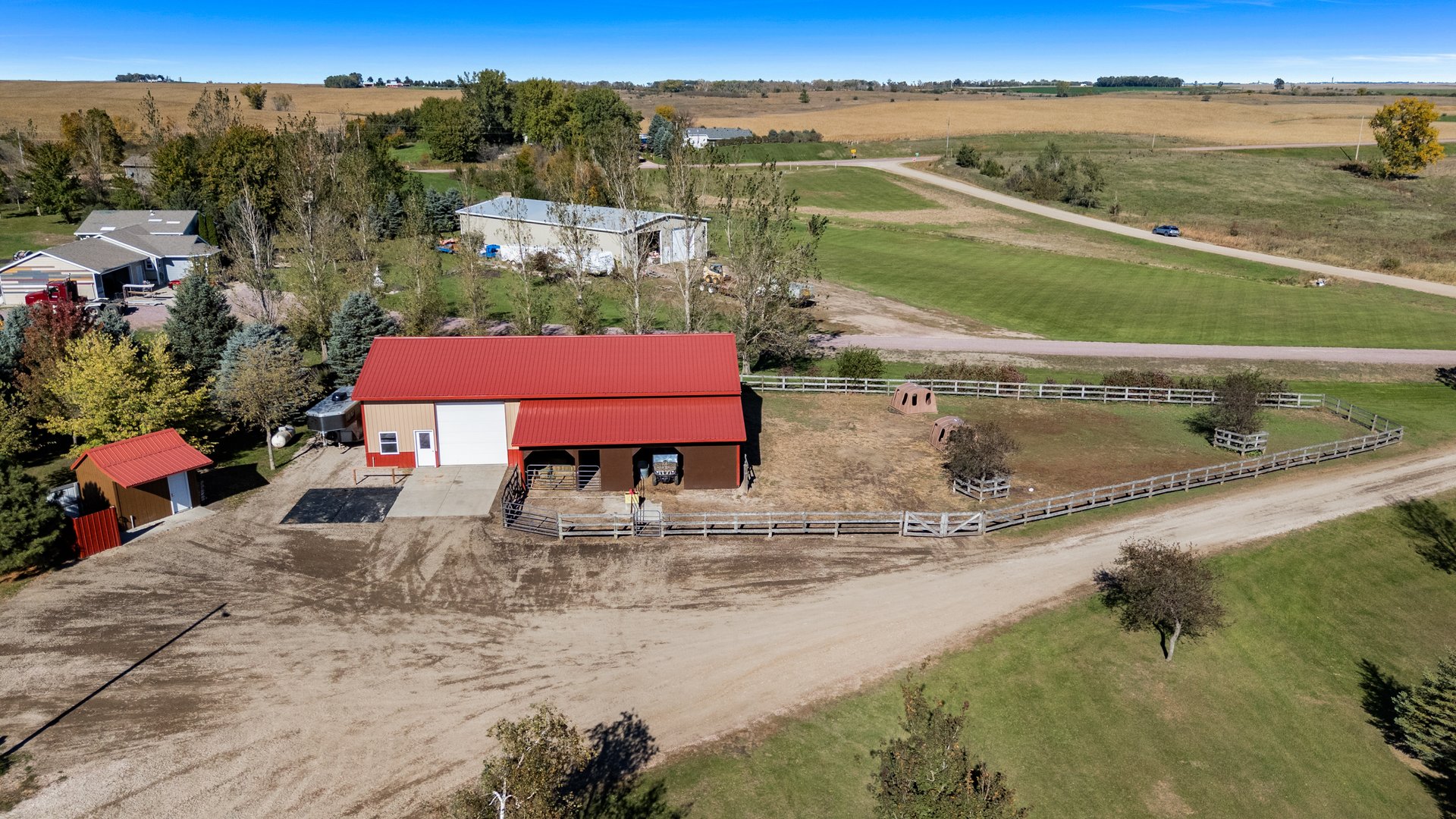
Two properties can both be advertised as five acres and be completely different.
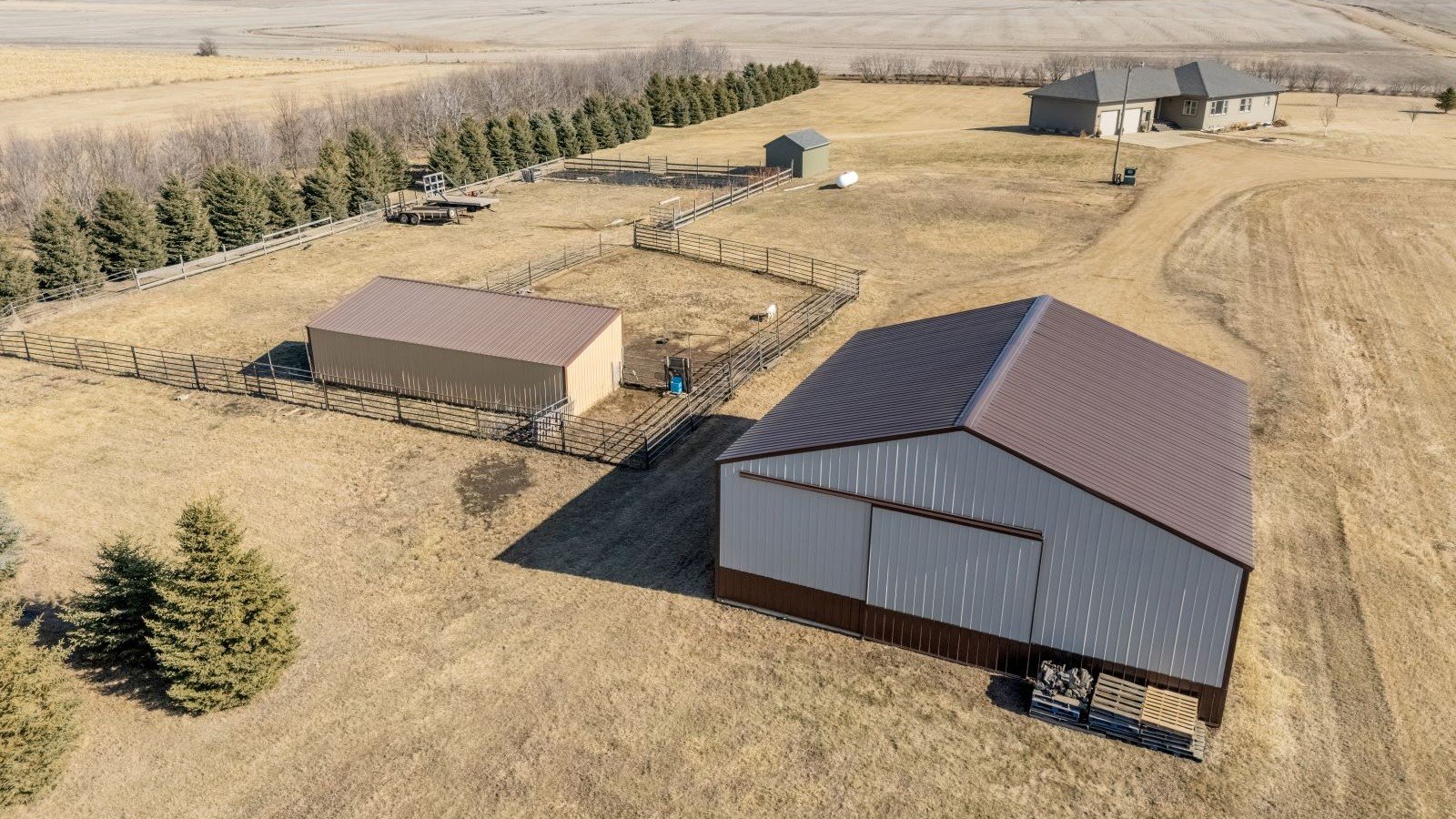
One may have five acres of flat, usable land with a tree belt, room for a shop, and space for horses.
Another may have portions of the property affected by drainage, easements, steep grades, flood areas, or terrain that makes expansion difficult.
That is why acreage size is only the beginning.
The more important question is:
How usable is the land for what you actually want to do?
Before buying, think about your long-term plans.
Do you want to add a shop?
Bring horses?
Install fencing?
Build an arena?
Add another structure?
Have room for equipment?
Create additional pasture?
The property needs to work not only for your life today, but also for what you may want several years from now.
WATER IS A BIGGER CONVERSATION
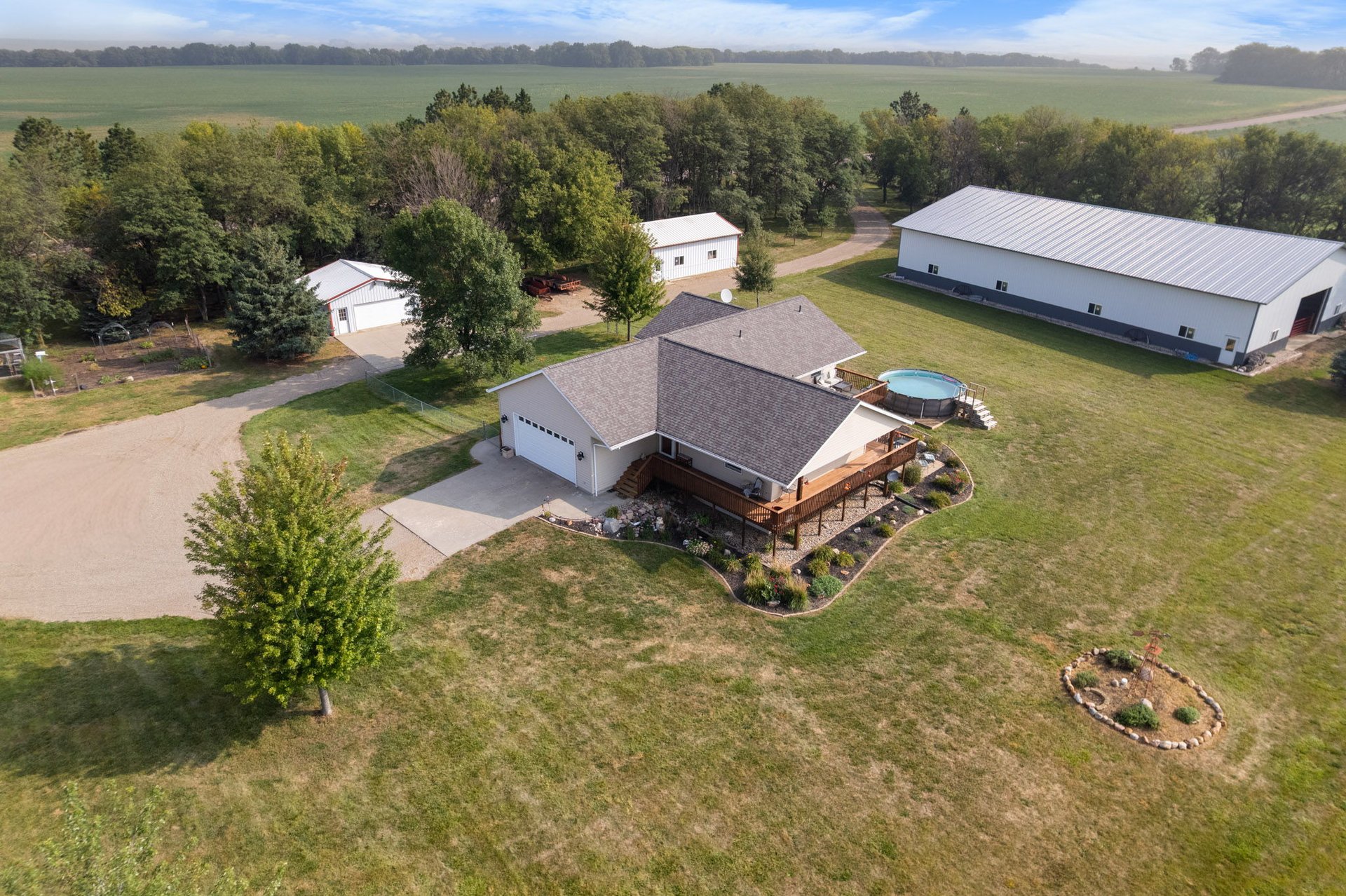
Water is one of the first things I want to understand on an acreage.
Some properties use rural water.
Some use a private well.
Others have both.
For example, a home may be connected to rural water while a well supplies outdoor hydrants, livestock waterers, or irrigation.
Those details can be extremely valuable depending on how the property is being used.
If there is a well, there are additional questions worth asking:
How old is it?
How deep is it?
What does it service?
Has the water been tested?
Is there adequate pressure and capacity?
If there is rural water, buyers should also know which system services the property and whether there are any restrictions or fees associated with it.
Water is one of those things that may not seem exciting during a showing, but it can become very important once you live there.
SEPTIC SYSTEMS NEED TO BE UNDERSTOOD
Many acreage homes are not connected to city sewer and instead rely on a private septic system.
That means you need to know more than simply whether the toilets flush.
I want buyers to understand:
- Where the septic tank is located
- Where the drain field is located
- The approximate age of the system
- Maintenance history
- Whether there have been past issues
- How the system could affect future plans
This becomes especially important if you are thinking about adding a shop, pool, home addition, or another structure.
You do not want to fall in love with a property, plan a future building, and later discover the septic system is sitting exactly where you wanted to build.
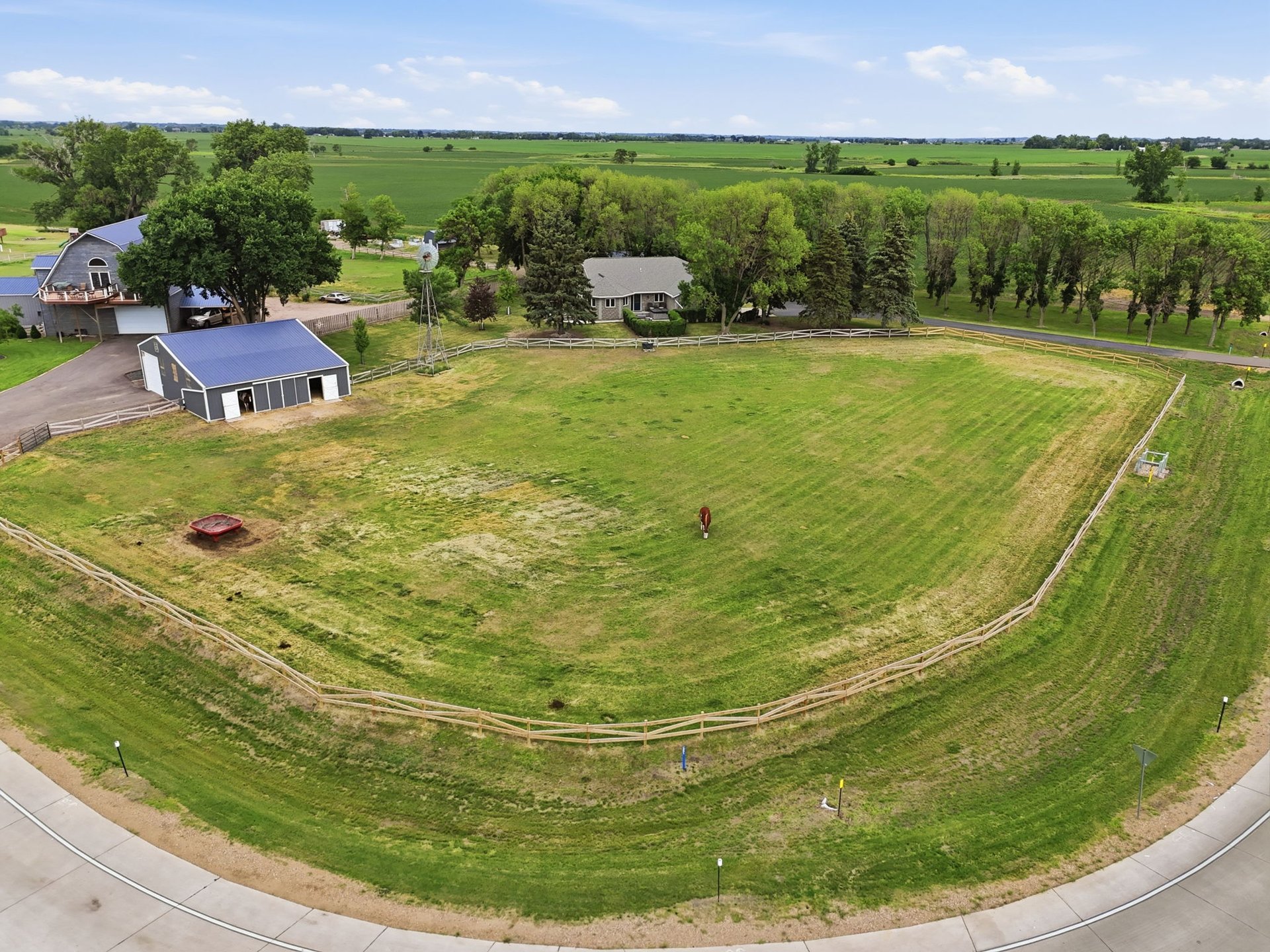
EASEMENTS CAN CHANGE HOW A PROPERTY IS USED
Easements are another detail that deserves attention.
An acreage may have utility easements, access easements, drainage easements, shared driveway agreements, or other recorded rights affecting the land.
That does not automatically mean there is a problem.
But you should know what is there.
A shared driveway, for example, raises questions about maintenance and snow removal.
A utility easement may affect where you can build.
An access easement may allow another party to cross a portion of your land.
These are the types of details that are easy to overlook if you are only focused on the house.
PROPERTY LINES ARE NOT ALWAYS OBVIOUS
One of the biggest misconceptions with acreage properties is assuming that a fence line, tree line, driveway, or mowed area marks the property boundary.
Sometimes it does.
Sometimes it does not.
If the exact boundaries matter — especially if you are planning fencing, construction, or improvements — a survey may be something worth considering.
On larger properties, knowing exactly what is included is important.
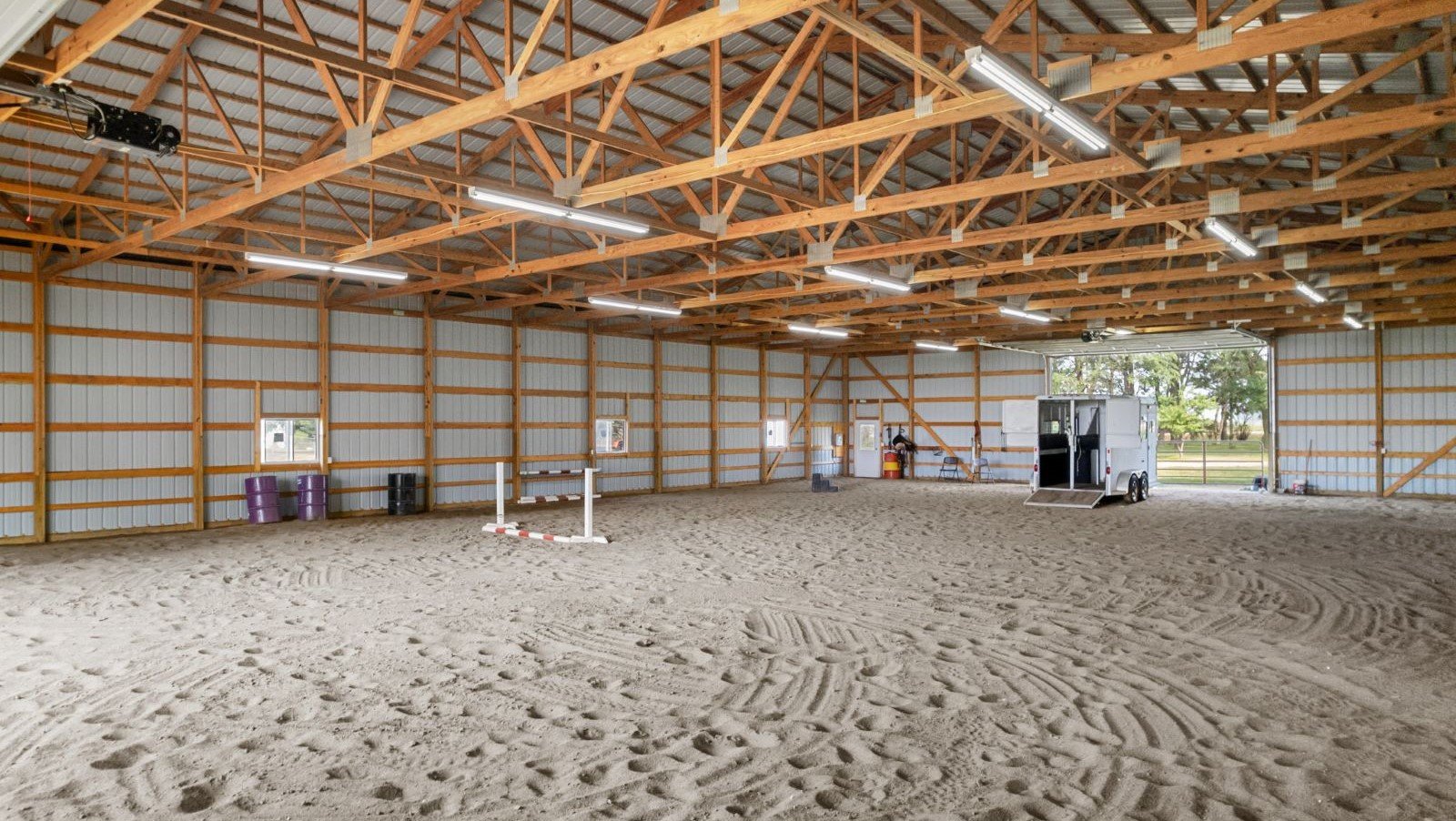
OUTBUILDINGS NEED THEIR OWN EVALUATION
A large shop or outbuilding can be one of the biggest selling features of an acreage.
But I do not look at a shop simply as “a 32x64 building.”
There is much more to consider.
Is it insulated?
Is it heated?
What type of electrical service does it have?
Does it have water?
What size are the overhead doors?
Is the concrete in good condition?
Can equipment or trailers easily access it?
Is there room to expand?
Was it permitted if required?
For someone who owns equipment, works on vehicles, runs a business, has recreational toys, or simply wants a serious workspace, those details can add tremendous value.
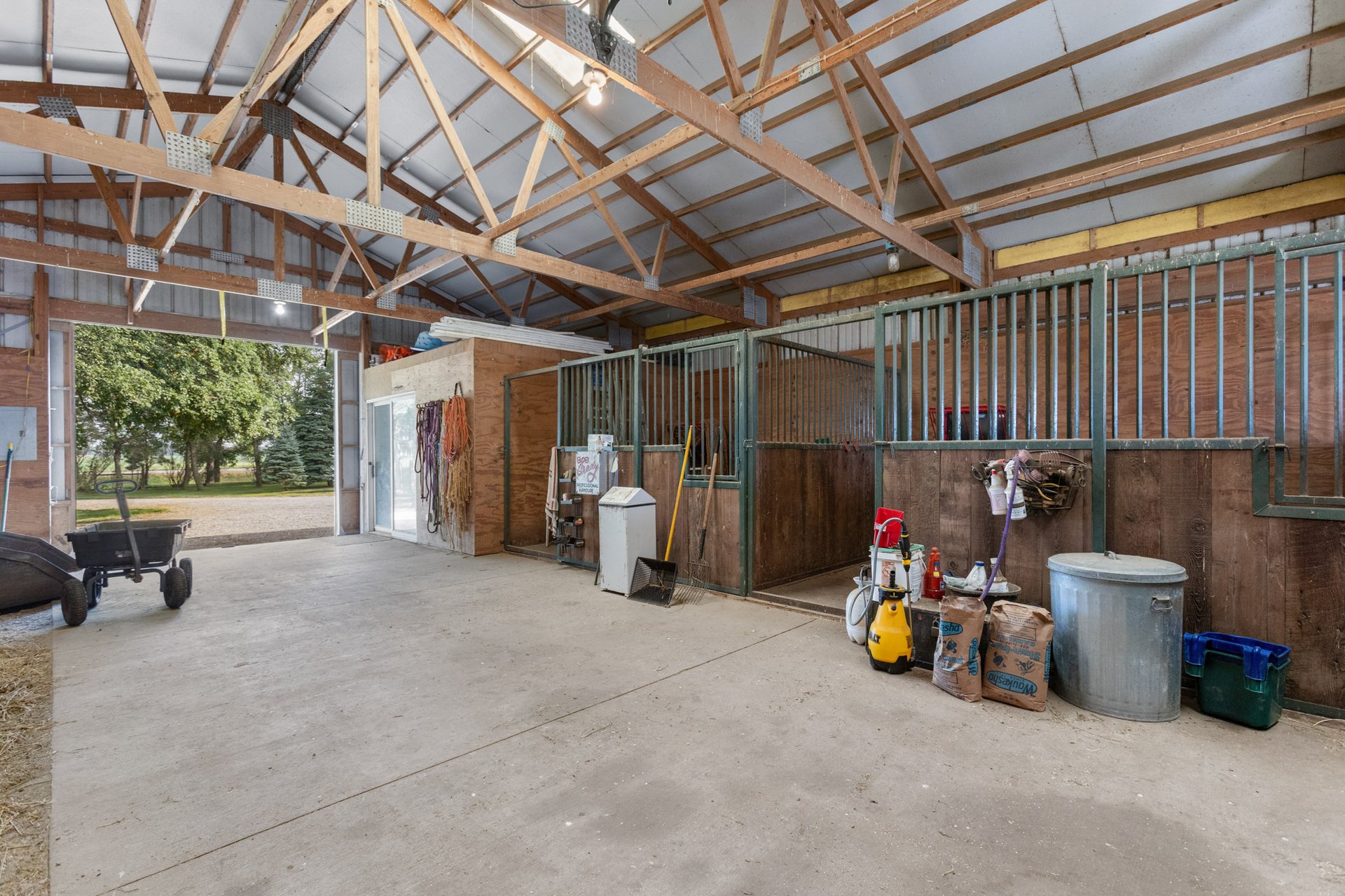
HORSE PROPERTIES HAVE ANOTHER LAYER ENTIRELY
Horse properties require a different eye.
Having acreage does not automatically make a property horse-ready.
There are several things I look at:
- Fencing type and condition
- Pasture layout
- Automatic waterers
- Shelters
- Barns
- Outdoor arenas
- Arena footing
- Drainage
- Trailer access
- Gates
- Hay storage
- Equipment storage
- Ability to rotate pastures
A property that has been thoughtfully set up can save a buyer a tremendous amount of time and money.
And even if you do not own horses, those same improvements can still provide flexibility.
An arena may offer additional usable space.
A large barn or shop can work for hobbies, equipment, storage, or business use.
Good acreage improvements often have value far beyond their original purpose.
ZONING MATTERS MORE THAN PEOPLE REALIZE
One of the most important questions is not simply:
“How many acres does it have?”
It is:
“What are you actually allowed to do with those acres?”
Zoning and county regulations can affect:
- Animals
- Outbuildings
- Business use
- Additional homes
- Property splits
- Building setbacks
- Shop placement
- Expansion plans
If a buyer has a specific goal, I want those questions researched before they purchase.
Owning ten acres does not necessarily mean you have unlimited options.
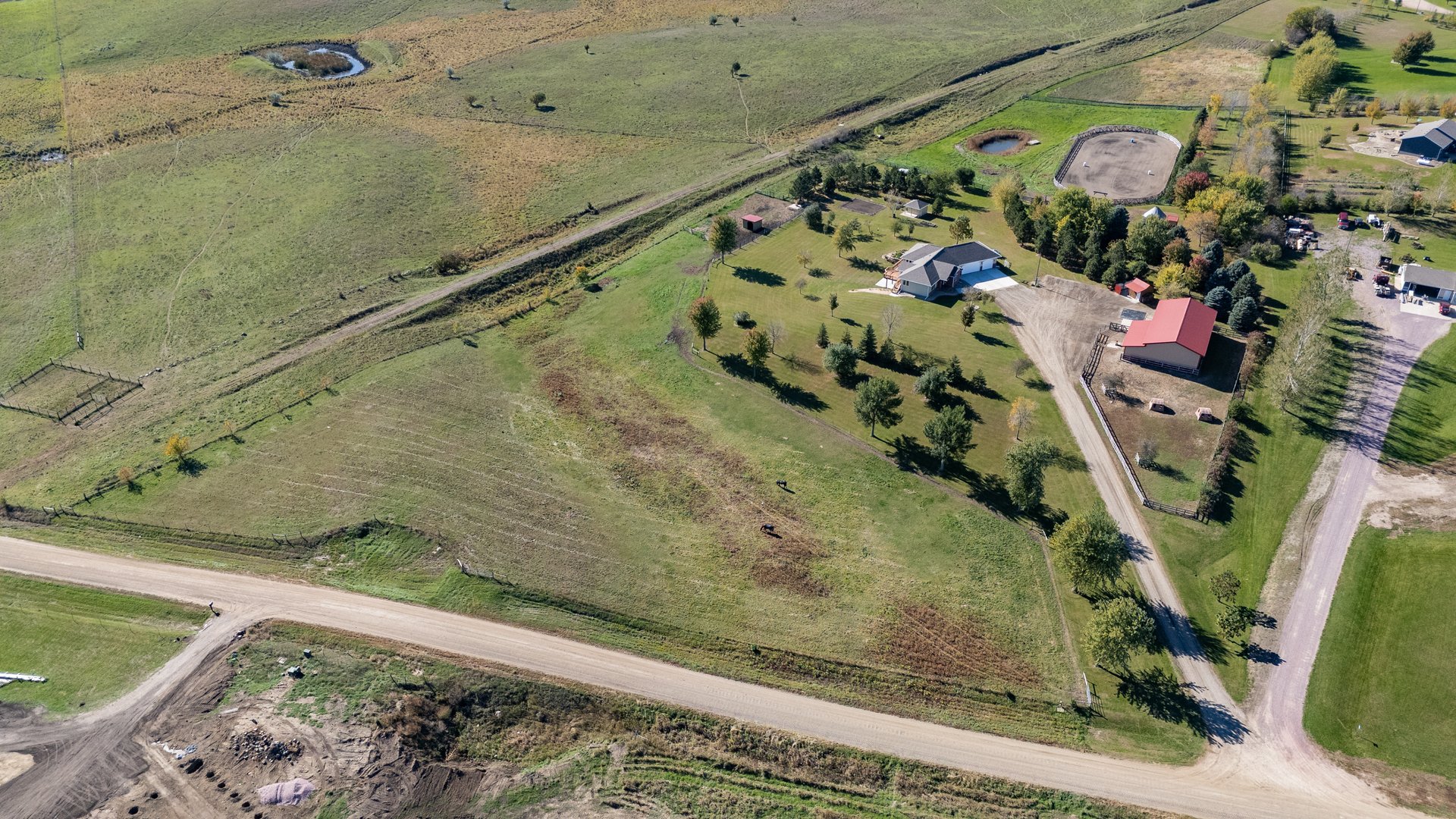
ACCESS CAN MAKE A BIG DIFFERENCE
Acreage buyers should also pay attention to how the property is accessed.
Is the road paved?
Gravel?
Public?
Private?
Who maintains it?
Who handles snow removal?
How long is the driveway?
Is there space for trailers or larger equipment to turn around?
These may sound like small details in July.
They do not feel small during a South Dakota winter.
DRAINAGE, TREES AND TOPOGRAPHY MATTER
Land has its own condition just like a house does.
I pay attention to how the property sits.
Where does water run?
Are there low areas?
Does water collect near the home or buildings?
Are there drainage areas crossing the land?
How does snow drift?
Is the ground flat, rolling, or steep?
Tree belts can also be a huge asset.
They can provide privacy, wind protection, shade, and a completely different feel to a property.
But mature trees also require maintenance, and their location can affect access, drainage, and future building plans.
UTILITIES ARE NOT ALWAYS STANDARD
One acreage may have rural water, natural gas, and fiber internet.
Another may rely on a private well, propane, and a completely different internet option.
That is why utility research matters.
Before purchasing, buyers should understand:
- Water source
- Septic or sewer
- Heating fuel
- Electrical service
- Internet availability
- Garbage service
- Road maintenance
- Snow removal
For buyers who work from home, run a business, or need reliable internet, this can be every bit as important as the kitchen layout.
FINANCING AN ACREAGE CAN ALSO BE DIFFERENT
Not every acreage fits neatly into the same financing box.
Lenders may look at the amount of land, property use, number of outbuildings, appraisal, agricultural components, and overall property type.
That is why working with a lender who understands rural and acreage properties can be extremely helpful.
The same is true with insurance.
Multiple buildings, larger shops, livestock facilities, and unique improvements may require additional conversations with an insurance provider.
ACREAGE VALUE IS MORE THAN PRICE PER SQUARE FOOT
This is another major difference.
Acreages are not always easy to compare.
You cannot simply look at two homes with similar square footage and assume they should sell for similar prices.
Value may be affected by:
- Amount of land
- Usability of the land
- Proximity to Sioux Falls
- Paved versus gravel access
- Tree belts
- Privacy
- Shop size and quality
- Horse facilities
- Fencing
- Water systems
- Condition of outbuildings
- Improvements to the land
- Zoning
- Future usability
That is why acreage pricing and valuation often require a much deeper look at the property as a whole.
THE HOUSE IS ONLY PART OF THE PURCHASE
This is the biggest thing I want acreage buyers to understand.
You are not simply buying a home with a bigger yard.
You are buying an entire property system.
Everything works together.
The house.
The land.
The water.
The septic.
The buildings.
The access.
The easements.
The zoning.
The improvements.
And the way all of those pieces support the lifestyle you are trying to create.
That is also why having someone familiar with acreage properties matters.
The goal is not just to find something that looks beautiful in photos.
It is to make sure the property actually works for you.
Because when you find the right acreage, you are not just buying more land.
You are buying more possibilities.